loss

It’s Glittering

I’ve been working with an editor to turn this blog into a book. It’s a humbling experience, having a trusted partner cut ten years of musings into under 200 pages. As Stephen King says, “Kill your darlings, kill your darlings, even when it breaks your egocentric little scribbler’s heart, kill your darlings.”

I fear that after ten years, what I appreciate may have become repetitive. Yes, my attention has been on gleaning and refining rather than generating new ideas, but I know in the cuts, I’ve held back here. I don’t want to bore you. Perhaps I’ve drawn attention to similar noticing many times before.

This morning, standing in the garage in negative temperatures, I counted to five in my head, trying to get my toddler into her carseat. The exercise tests my patience and my invites profound mindfulness. As I waited for her to pull her growing body up into her seat, on her own of course, I turned to wait.

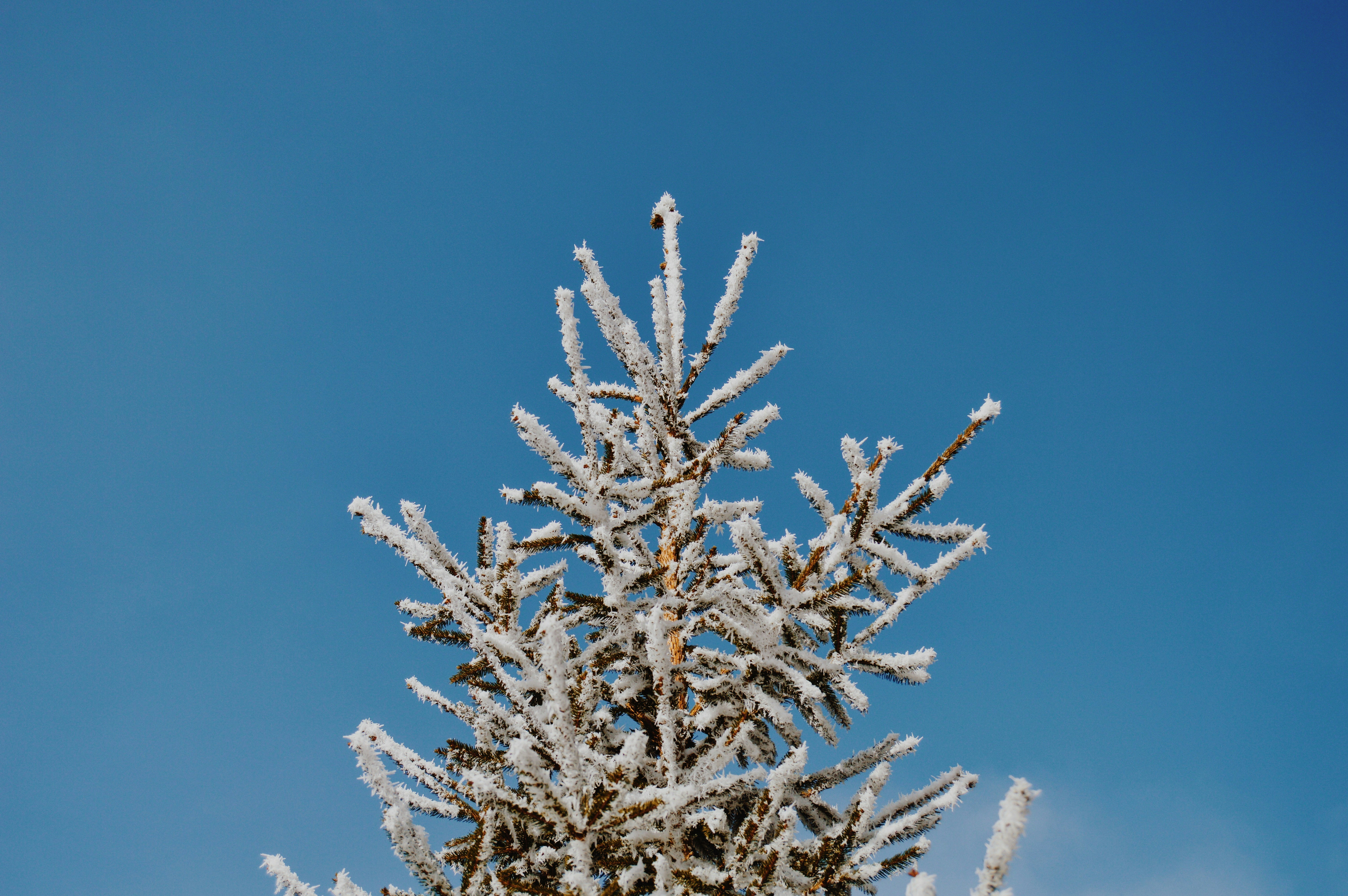
Just beyond the driveway, I watched ice crystals glimmer in the sun and the frigid breeze.

“Look baby!” I exclaimed. “It’s glittering outside.”

And with that invitation to redirect attention, she sat her tiny butt in the seat in awe.

It’s glittering outside.

A good developmental editor can review thousands of words and find themes, building story arcs in the bulk of material. She is helping me find the glitter.

I’m not one to usually run out of words, but I am changing direction here. Posts will slow as I work to turn this collection into something with a cover. I hope you’ll continue to read when a post does emerge.

With ten years of practice, the exercise in looking for beautiful things has become a part of me. I focus on the connections in conversations happening next to me at coffee shops. The excited hellos, an older gentleman leaning down to pick up a glove my kid dropped on the sidewalk, the warmth found in a cup of tea.

In these divided times, calls to action seem loud and demand quick and constant attention. I’ve committed, though, to the appreciation for the mini moments that bring us hope in our moments of frustration, disconnect, and grief. Small is mighty. Repetition can turn to ritual.

Today, the branches were blowing, offering light in the cold. Tomorrow, there will be something different.

Maybe I’ll capture it here, but really, I hope all of this work helps you remember, to capture these beautiful things in your own hearts. Our world needs more calm and compassionate seekers.

Stay tuned, a book is coming, and in the waiting remember, we need the beautiful things. More than ever.

Find your darlings. Find your darlings. Delight in something beautiful.


PS – If you feel compelled to help finance the project of turning the blog into a book, I’ll happily accept support. I’ll also be building a book launch team later this year. Send me an email at katie at katiehuey.com and I’ll send you the info.

Twirling

We made it through another one. Father’s Day mixed with emotions – gratitude, remembering, looking forward, hating for just a moment, Hallmark. As we sat around a shared table for dinner, I thought to myself, my husband is the only adult at this table who hasn’t lost a father. Odd to be in similar company of people my parent’s age. Odder still that where I put the apostrophe matters.

And as with most holidays, I twirled between wanting to be present and wanting to turn towards the ache of missing someone so profound without forgetting those still here with me. How do I celebrate life and mourn the dead?

I tried.

“Now I enter the “safe zone”, I spat, ruminating to myself sarcastically. While no month is “safe” from grief, there’s an ease that comes with the end of June as I look out towards the rest of summer. From now until October, the gremlin seems to behave herself.

Most evenings these days we turn on music after dinner, and if I’m lucky, my toddler will let me pick her up to give her a squeeze. We spin and hold hands, dancing in the kitchen. “More Mama, more” she’ll often request. And in the twirling, memories are made.

There’s a new sweetness to this summer. Her sticky neck and red cheeks from the days heating up. She insists on putting on sandals by herself, requiring deep levels of patience and persistence from both of us. She finds exuberant joy in learning how to control a hose. Popsicles are messy work. You forget how much you take for granted already knowing when you’ve got a little creature soaking in so very much.

And in this early-summer space I want to remember the evening spins, as I watch the roller coaster slow. The trolley care has been put into neutral, shifting down the grief hill we’ve been climbing for quite some time.

I want to be twirling in colors and sniffing the deep scent of tomato leaves off my hands, as I watch a little human grow. Maybe I can be more kind to myself, allowing what comes next to appear.

More Mama, More. Hold on tight.

We go pretty fast. But it’s in the early evening light, as the sun sets and my patience gets tested, where beauty is found. Twirl with me.

In My Own Little Home

I recently had a coach ask me the question, “Seven years from now, how will you know the choices you made reflect the social change you want to be a part of?”

You can’t answer a question like that in one sitting. There are so many layers to my answers as I think about the next seven years. In seven years I’ll have a third grader. Hopefully there will be a president with a name we have only barely heard of today. Hopefully, we’ll have better care for children and the cost of groceries will go down. It is so easy for me to spin into possibilities of what might be that I miss what is, right now.

What I liked about the question, as mind-blowing as it was, is the reminder that the choices we make today also matter in the large scope of social change. As I spend my Friday afternoons with my daughter, I’m choosing to honor caregiving in a different way. I highlight the myth of work-life balance and sit in the truth that our choices reflect how we want to be in the world. I type. Baby naps. I feel guilty for being away from the office.

A follow up question the coach asked was, “What will you gain by making this sacrifice?” At first, I was angry. I don’t want to have to sacrifice. I want to “have it all” or at least be proud of what I’m giving up, which I think was the intention behind her question. After further reflection I’ve come to my answer – I’m gaining the freedom to live into the social change I want to see.

I want my choices to build spaces where mothers are welcomed and given space to nurture their children and also be valued as employees. Spaces where rest is valued and treasured as much as outcomes and outputs. Spaces where grief and loss and uncomfortable, hard realities are named and held with compassion. Spaces where we hold one another with tenderness and then get back up again, holding hands, to face whatever comes next.

I’ve spent a lot of this week angry at the system – the motherhood tax, the war overseas, the scary political situation that still exists here in the idealized version of America. I get frustrated at a lack of empathy or care for one another. And my anger has told me that, again, it is in our choices where we get to make change.

So, for those of you wondering how to make sense of what’s unfolding for you, I hope you remember you have power in what you say yes to. And power in what you say no to. And power in holding dear the change you are trying to make in your own little world, on your own little street, in your own little home.

And those choices are beautiful things.

Constant Companion

We were driving from story time to get lunch when my mom said, “Grief’s a pretty constant companion these days. I’m no longer afraid of her showing up.” I inhaled deeply as she spoke, integrating the power and the truth of this realization. I call my grief a gremlin. She lives in my heart pocket and has wings like a crow and claws she keeps trimmed, though they come out every so often. Her big eyes are round and deep blue, and when I’m hurting, they look deep into me with a knowing so profound. This little gremlin sees me, if I let her.

We lost another matriarch last week. Dylan’s grandmother passed at the age of 94. Her decline was quick, perhaps it always is. Though we knew the end was coming, I’m always sensitive to the sucking away of air leaving the room when you get the news. When I received the text, it was early. We held hands and in the pause, welcomed again the little gremlin as she crawled out of the warm place where she lives. I wept when making travel arrangements, and again in bedrooms when we went back to her home.

Grief, if we let it, is a constant companion. March is coming and I miss my dad ever so much. When telling baby of the loss, she repeated me saying, “Grandma died.” Then, after her pause, said, “She went home with Papa.” Perhaps the children know more than we do.

And as grief walks alongside, life still happens. Emails pile in. To-do lists loom. The text messages buzz, reminding me of connection and purpose and pull my brain in perpendicular directions. After a busy weekend, and snacks for dinner, I found a rare moment of rest on the couch Sunday evening. At 8:30 pm, after the bedtime routine, I was scrounging in the pantry for a little something. I filled a pot, watched water boil, and made pasta, letting the steam reach my face for just a few moments. I melted butter, sizzled garlic, and pulled together a silky sauce to coat my carbs. I poured myself a glass of wine, and at a time too late for supper, sank into the couch to nourish myself. I patted the seat next to me, inviting the gremlin onto the cushions.

Turning to the episode of “The Crown” where the Queen loses her sister, I let the waves of tenderness wash over me. Relationships are complicated. We try to connect, we miss, we try again. We anger and we make-up. And in the end, we lose. And we love. Bowls of pasta help. The welcoming, again, of our grief as friend, is a beautiful thing.

Roots and Wings

“There are only two lasting bequests we can hope to give our children. One of these is roots, the other, wings.” – Johann Wolfgang von Goethe

When you live in a community for over twenty years, your roots go deep. Mine seep into the backyard porch, winding up the garden trellises and trickle into the kitchen of the house I grew up, past the old, rickety table my dad built into the garage and rest on white wicker bar stools.

When I stand at the island in the kitchen at my mother’s house, I always notice white. The worn white countertops contrast the bright blues and yellows she chose for the walls. Theses colors are the backdrop to my teenage years. The wicker chairs, leaning against the the back of the island, held my tennis bag in high school, and steadied me when my plans for private liberal arts school didn’t go as planned. They watched as my college boyfriend came and went on the weekends, stood present when I came upstairs and told my parents we were talking of getting engaged. They held me up the day Dad died, and sitting wasn’t an option.

I didn’t imagine still using the surface as part of my daily routine in my thirties. What was once filled with school forms, permission slips, a snack or two for me, now holds the Tupperware, rinsed bottles, and grubby pouches covered in the day’s leftover snack for my toddler.

On a summer evening last week, I stood again, at the island, and noticed the white. This time, the surface was covered in take-out boxes and a bag filled with stained baby clothes. We gathered to eat in the rush of a busy week, and I balanced the baby on my hip, trying to get my small family ready to go from Mom’s house back to ours – the drive now so familiar I could walk it in my sleep.

Baby is learning songs now, using her hands to sign “more” when the song we’ve selected isn’t what she had in mind. Playing DJ, she kept us guessing until we got to just the right song. Dylan paired our horrible accompaniment of our voices with Spotify and played “Here Comes the Sun” as we sang along.

Here comes the sun (Doo-d-doo-doo)
Here comes the sun
And I say, “It’s alright”

Baby clapped, her smile big enough to see the newly emerging front teeth she is sprouting. And in that moment, I leaned against the wicker stool once more, roots sinking deeper into the worn wood floors of my youth.

[Verse 1]
Little darling, it’s been a long cold lonely winter
Little darling, it feels like years since it’s been here

As we sang, both Dad’s presence and absence became magnified in the moment. Seven years is a long time for someone to be absent.

[Chorus]
Here comes the sun (Doo-d-doo-doo)
Here comes the sun
And I say, “It’s alright”

Perhaps he was blessing our post-dinner rush. It’s alright.

We’ve got roots, and they keep me coming back to the place where I grew. Now baby grows there, too.

[Verse 2]
Little darling, the smile’s returning to the faces
Little darling, it seems like years since it’s been here

We’re smiling. And there’s a new face at the countertop. She’s given us wings. I hope she’ll grow her roots here too. What a beautiful thing.

To Want to Return

We inched slowly towards the ranger stand, waiting for our turn to be let in. After rolling down the window, we were asked if we had a reservation.

“We only want to head home on Trail Ridge Road,” Dylan explained.

The kind woman explained our options, having had missed the memo that we now needed a time slot to get into the national park thirty minutes from home.

We turned around again, driving back into the small mountain town to wait until they opened the road for the general public who forgot to reserve access.

The delay was an inconvenience, but survivable.

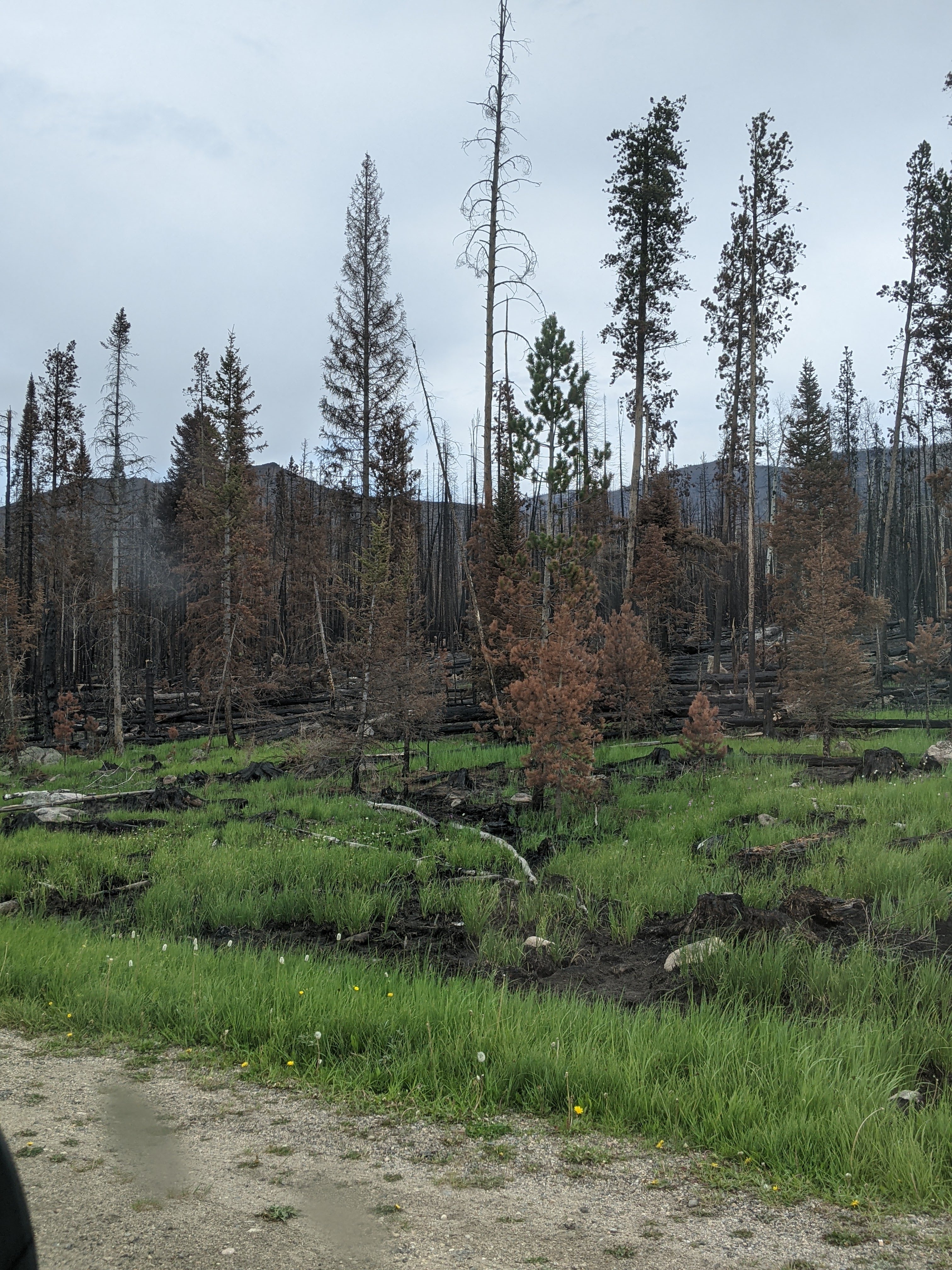
We drove to the nearby lodge, and passed the time on a deck overlooking a lake to the right. Behind us, whole valleys were scorched by the fires from last summer. Remnants of magnificent trees stood stabbing their charred limbs into blue skies. Pine trees turned burnt orange from heat clung to crisped aspens, bending from sheer desperation. I could imagine them gasping for air as flames licked up their homes, their friends, their communities.

I was witness to the damage we have done to the earth, even while sitting in my gas guzzling SUV. There’s something unsettling to see climate change in action. To know that the trees of my youth have burned and my someday children will come see scorched matriarchs nurturing tiny seedlings instead is heartbreaking.

Jaw dropping. Gasp worthy. We took in all that has been taken from us, from the earth, from our stories.

I’ve been in the holy space of standing on ash before. When what was crumbles and what will be remains smudged. Familiar paths now blocked, mixed with melted wires and wood wrecked and warbled from heat.

Eventually, the world calls us to stand, wipe the smears on our pants, and move on.

Our world is at an important crossroads right now. We’re getting on planes and hugging our friends and returning to offices. In other countries, the virus continues to ravage and take, burning connections and ripping up roots as it moves from host to host.

There’s a temptation to push what’s happened into the past. We’ve dealt with our smears. We’ve washed our hands of all of this. What grief has taught me, however, is no matter how far you go, your landscapes stay altered.

We can turn our attention to the saplings and new growth, and say, look at the greens poking through the char. But we must tend to the ache and say, ‘but please, please, remember all that has burned’.

I’ll come back to the park to watch it recover. I’ll stand among pines and listen to water gush and gurggle into streams. I’ll watch the elk and the deer find their sustenance in meadows another valley over. And putting a hand to my heart, I’ll remember picnics and meanders on paths, and all the places he had seen, now too, morphed by the natural cycles of loss.

To stand in a place that has been forever changed and want to return is resilience. What a beautiful thing.

Maybe We Need the Moisture

Photo Courtesy of Unsplash

I’ve never been so excited to click “schedule.”

After fifteen months with only one professional haircut, my locks are unruly. I’ve taken craft scissors to my bangs. After a few uneven attempts, I have succumbed to the pestering process of letting my fringe blend past my face.

Inches of hair fall past my nose. It gets clipped back, and braided into up-dos trying to be fancy. Clips, bows, and barrettes attach, mediocre in their restraint. It’s time for the professionals to take over.

In just a few weeks I’ll be fully vaccinated. The opening world beckons.

I stand in the back doorway looking out on the lawn, noticing how the spring rains turned everything green. This transformation is quick in Colorado. Rarely does the wetness last. Ask anyone in the Front Range about the last few gloomy days and they will tell you, “Well, we need the moisture.”

I’m accustomed to two days of drizzle, with a quick afternoon storm blowing through at two pm. Not weeks and months of dark clouds, soaking our systems with fear and droplets of uncertainty hanging thick in the air.

I recently read an op-ed written in March of 2020 predicting a long, looming winter season. Reading guesses of how the virus would change the world after the fact confirmed what we hoped wouldn’t be true actually was. They said we were not bracing for a blizzard. This storm was not going to blow over. We were going to be in this space for a long, cold, dark winter.

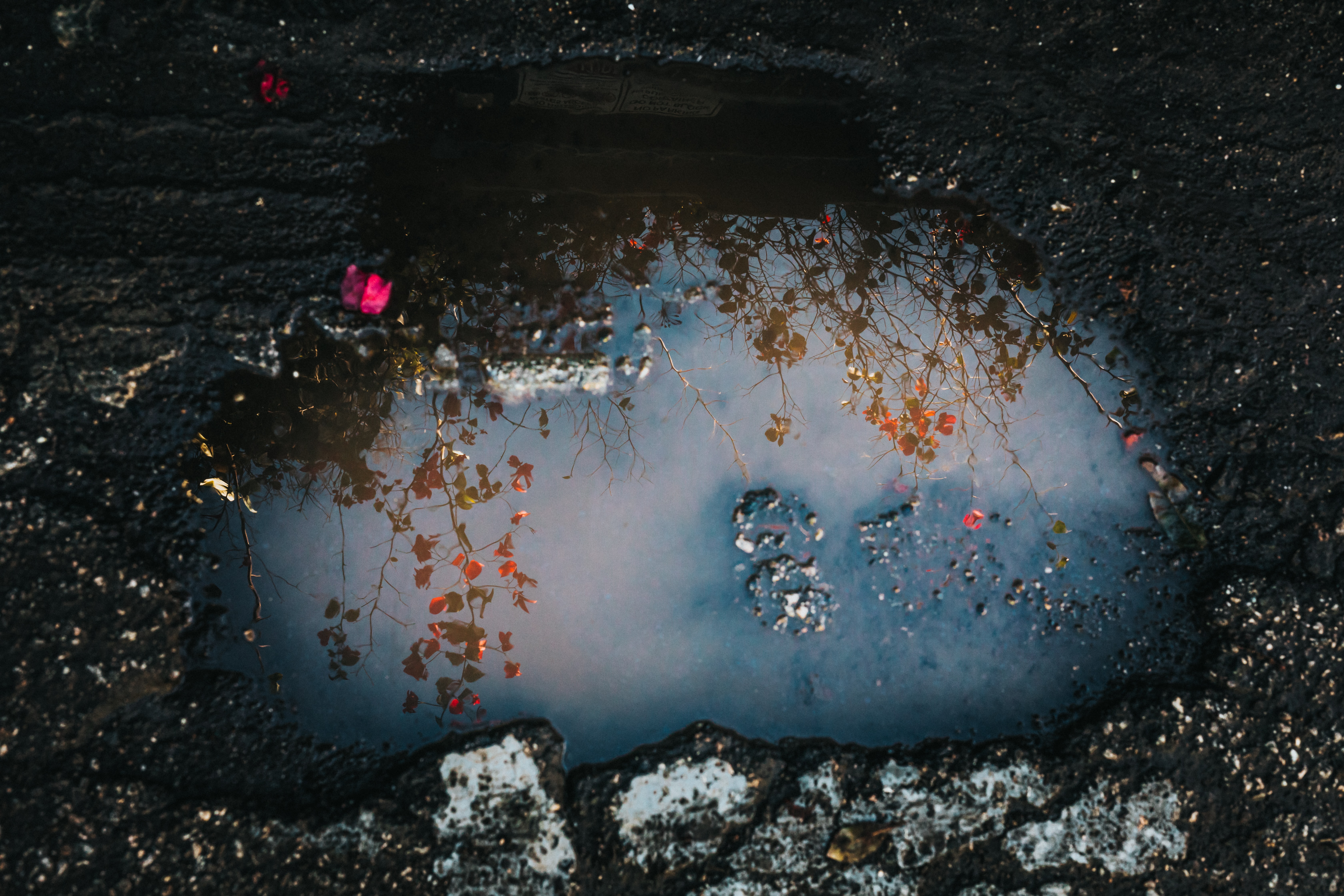
We hunkered down and learned to work on Zoom. I stayed home in the darkness. I felt the mist on my face in my own tears. The lingering remnants of all that we lost collectively smeared into puddles at our feet. There were no splashing boots. Worms piled, freezing as the seasons changed.

It’s trite to say, ‘but look what we’ve grown over the last fifteen months!’ My hair, certainly. A love of sourdough, yes. Purpose in all of this? Not so much. What comes is still unclear.

Maybe this season of fog and mist will seep into our bones and shoot up and out in new ways. The predictions did not explore the renaissance that would come as we go out into the world again.

As I wipe away the droplets, and sweep up piles of murky muck left behind from flowing downspouts, I wonder how have I grown.

How have you?

I spent Saturday weeding until my thumbs blistered, and the blades of grass cut small hatches into my knees from crouching on their itchy carpet. The marks on my legs have yet to heal. But, the mulched beds in the background are brimming with tulips. I’m excited to trim the flowers that have been waiting in last season’s darkness to bloom. I’ll bring them inside and place the gifts in goblets of water.

Maybe we need the moisture. Maybe we can use it to nurture. To sip. To feed. To grow. What a beautiful thing.

Mush

Photo Courtesy of Unsplash

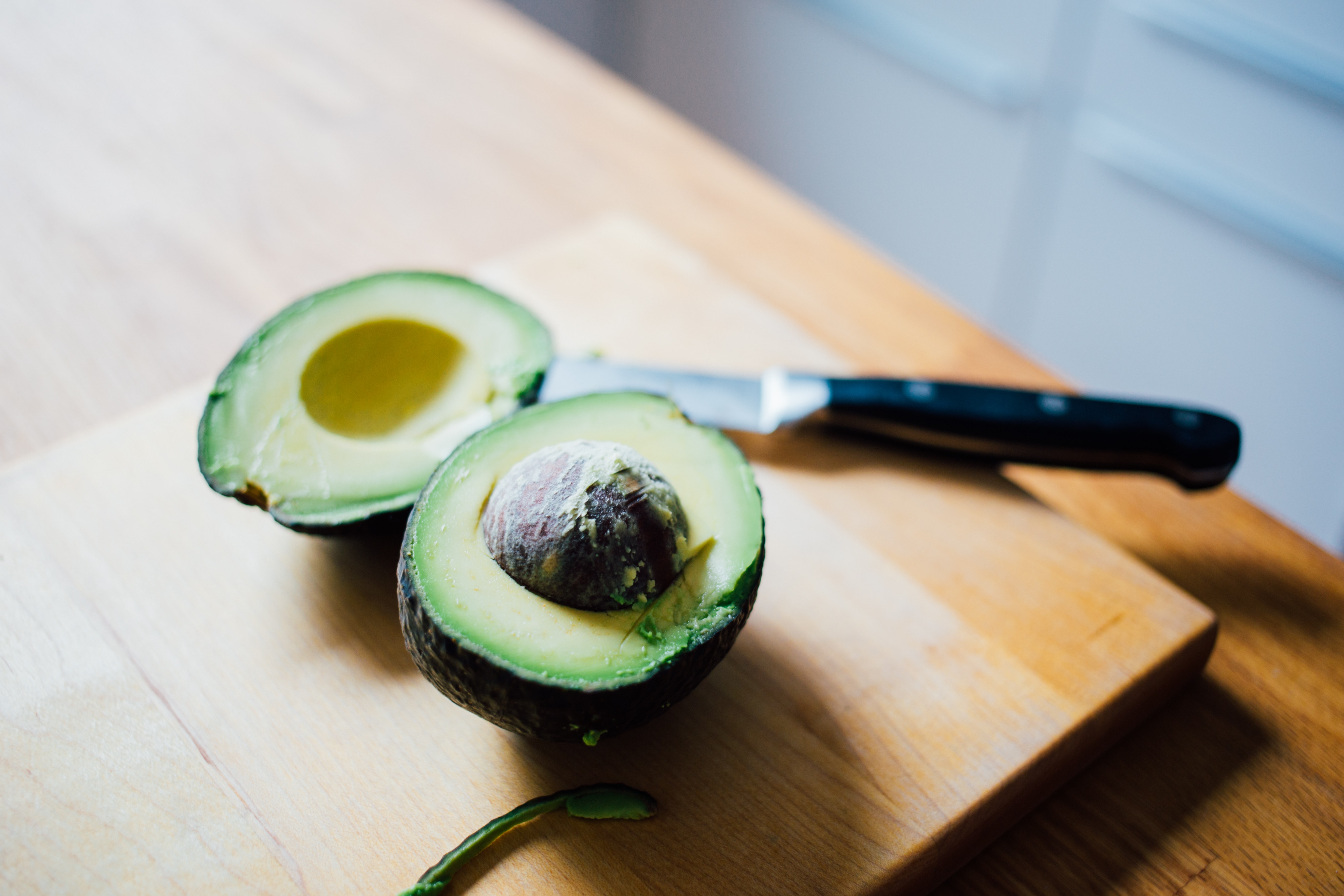
The green orbs sat patiently on my counter over the weekend. As the sun set towards seven, I sank a blade deep into the flesh of the avocado. Pivoting my palm, I split the fruit in two and plunged a spoon next to the pit. With a quick flick, the little nut popped out onto cutting board leaving smooth spittle as it rolled to a stop.

I scooped out the creamy flesh into the bowl, leaving the halves to be mashed and mixed into something delicious.

With the first shot in my arm, I’ve noticed I’m starting to feel like the shell, rather raw and scooped out.

I’m trying to reconnect with those who I haven’t seen in over fourteen months. Funny how we count the passing of time like the aging of a toddler. Only when we pass into the twenty-four month will we round up to years.

I hope we don’t pass that milestone. No one wants the terrible twos of this pandemic.

In cutting my re-entry teeth, I picked up the phone to a friend who I went to kindergarden with. She’s been back for awhile now and when I asked her what was new, she said, ‘Actually, a lot. I’m moving to Seattle next week.”

My stomach dropped and plopped into a bowl, turning to mush. I took a breath and smiled through the phone and said congratulations.

Another long-timer pair is selling their home and moving to California. A best friend is expecting a baby in July. With each update, I try to be thrilled for the change. New places to visit. New adventures to toast with champagne.

But mostly, I just feel scooped out.

The pandemic has carved from me the time and space I had hoped to fill with friendship. In our social distance, we’ve made choices and changed our shapes. My fear of being left behind kicks into overdrive.

Maybe this is where the metaphor fails and sadness takes over. I’m sad what was will no longer be. I recall our core group of family dinner crew and wonder who will fill the seats on our back patio whenever our little bistro backyard re-opens.

They talk about metamorphosis being a magical process. Transformation undergone in cocoons. What really happens in there, though, is an undoing. An unraveling. A mushing effect.

I’ve been cocooned for quite awhile. I’m not sure what will emerge. But in the scooping, I create space for what can be. I’m open to what will fill this next chapter.

And the mush? It waits, knowing life can transform into the delicious with a quick dash of salt. What a beautiful thing.

Tremors

The tremor started as I walked up to the counter. I looked up, facing the plexi-glass separating me and the barista. Taped to the barrier were two 8.5 x 11 pieces of paper, with a message to the neighborhood. I read that this Starbucks location is closing on April 4th.

“This is tragic” I blurted to no one.

Catching myself in my ridiculous statement, I blushed under my mask.

Trying to recover, I mumbled to the young woman waiting to take my order. “I’ll survive. But, this is a bummer.”

The closing of a corporate coffee shop is not tragic. A sign on glass is small compared to very real, looming challenges unfolding around the world. This loss of place is not life threatening. We know this.

My strong reaction masked memories and feelings of comfort that bubble up when I walk into rooms with slate floors and walls covered in green and white. The smell of beans, the packages of grounds, sparkling mugs with mermaids and white; all reminders of times before.

I noticed a wave of grief move within me. Not immense sadness. Instead, indicators of change taunting me with the truth of how quickly spaces of life transform into vacancies. Empty buildings. Stacked chairs. Locked doors.

I grabbed our drinks and joined Dylan outside. We began the walk home together.

I’d brought coffee to Dad’s office for years. He’d give me a twenty when I worked there in the summer, and I’d come back with iced lattes for me, and always Pikes Place for him. When we closed his office, removing furniture and files and countless awards, we left a tall cup of black liquid in the corner to cool, closing the doors behind us.

These places become a part of us. When they close, they press into motion seismic waves of memories of what was and murmurs of what will no longer be.

I’ve kept quiet this month, waiting for four years to turn to five in the course of a day. Sometimes, the approaching of the anniversary hurts more than the day itself. Beauty is harder to witness as the clouds come in, knowingly bringing weight and mist to the air. Last weekend the mist turned to blizzard, and two feet of snow fell in my front yard. Rain turns leftover piles to slush, and tonight we’ll have ice clinking to recently broken branches.

These cycles of days turning to years, wet turning into snow, piles turning into melt reveal these patterns have purpose.

When I care for myself, I can see the storm coming, and time has taught me to prepare accordingly.

At the start of the month, I chose a word for myself. Support.

Support. Being open to it. Asking for it. Being surprised by it.

Support looks like many beautiful things.

Friends sent me packages and caring texts. Others delivered donuts to my door. A card from a colleague echoed my questions in ways I didn’t know were living within me, until they showed up in my mail box. Her hand written words mirrored my experience in life-giving ways. The anniversary of the day He died came and went and tears fell. Before I went to bed, big sobs eked out as I held my knees, leaning against walls, wedging my body into the corner to feel support on all sides.

I was surprised by the intensity, and the release. The anticipation of pain left my body in waves.

Coffee shops are closing. Snow is falling. Days turned to years. And the quakes, while present, are smaller. What a beautiful thing.

Pocket the Ash

Rummaging through the blue bin of snow clothes, I grabbed gloves and a hat before stepping into the backyard. Leaves demanded attention before flurries of snow arrived according to winter weather warnings.

Red rakes sat in the shed, waiting to be pulled from the pile of worn wooden handles still warm from lingering unseasonal, summer-like heat. I wrestled with tines of tools, ready to tuck the garden into its rustling bed of leaves.

Muscling orange and red matter into piles took three hours yesterday. Using rakes and shovels, I pulled towards my center, mixtures of grass and sticks and tired life. With each scrape of the earth, up swirled too, tiny puffs of black lifted and landed. Wisps of crisped needles and incinerated pines lifted into the air, into my nose, making me sneeze and weep. Despite our best efforts, the air demands we inhale what’s left, leaving traces of particles in our lungs.

Remnants of burned wild flowers and earth mixed with city maples and aspen leaf imposters. Wildfires burn nature’s backyard – the setting of my wild adventures of youth and family traditions forever changed by the swat of loss. Can memories burn as sense of place is destroyed?

Someone posted a few days ago about the sacredness of these ashes settling our concrete patios and smearing white streaks on our windshields. May we not disconnect the black piles of soot and grit from the immense loss up canyon roads.

As Dylan increased pressure on the leaf blower, blackened piles swirled up into mini plumes of darkened ash. Moving forward, he used his tool to blow the left over bits across the driveway and into the street. I watched the as the mess moved, mirroring the magnificent blooms of smoke seen from airplanes, thousands of miles up into plum purple skies.

It’s insensitive, perhaps, to have hope in the hurting so soon. My body feels the magnitude of life and livelihood turning to vapor among flames. Having experienced significant unraveling, I ask, what beauty is found in the sweeping of what’s left into tiny piles? May the act of smearing the grit on our fingers be a beautiful thing?

I felt my father’s ashes land on my toes. I watched his grit swirl with the wind and land, eventually, on cracked, dry earth. I witnessed urns burning in controlled fires as a summer ink sky turn speckled with stars.

The destruction is horrifying. The longing for what could have been, pervasive.

The honoring and remembering? Sacred.

Sweep what’s left into piles. Place the white and black smears on your altars of hope. In the wonderings of what’s next and how will we ever recovers, know this to be true – What was will never return.

We weep for this truth.

Using your fingers to pile, gather, pull towards you the mix of earth and sticks and dead things crisped. Move among the ash.

What will be is still left to be seen.

Today, snow falls in tiny flakes blanketing heat in white. I pray the moisture douses the flames and the burning will cease. And that we all may create space, with the tender embrace, for the gaping. Stand witness. Sweep up what’s left. Pocket the ash. Honor the scar. Hard, beautiful things.