Grief

Vitamin C

Did a new year turn over?

While a fresh start is tempting, it feels more like 2020 is still bleeding onto our blank slates. I’m not willing to throw in the towel just eight days in.

One of my goals for this year is to check the news less. I’ve already failed.

My twitching fingers keep clicking refresh. As texts buzz in and news alerts ping loudly, I can’t help myself.

There’s a thick, bold line between being informed and being consumed. My consumption has reached unhealthy levels. The images of rioters and men barging through spaces seem burned into my consciousness. Anger seeps through screens as we create memes and scroll through poignant personal truths on Twitter, and confusion on CNN.

January typically is full of commitments to better. To healthy lifestyles, to new and improved selves, to less butter, or caffeine. Sugar is damned.

With the hemorrhaging of 2020 continuing, I ask, “What does it mean to be healthy, now?”

We thought cases were soaring in summer. Now spikes seem like mountains. These steep slopes lead to lack of oxygen. No blue skies or crispness in the air.

Searching for beauty from the home office is limited. My surroundings remain the same.

This week, I ordered groceries online and unpacked packages crinkling in cellophane. Butter and sugar are staples for survival. Improvement takes a back seat.

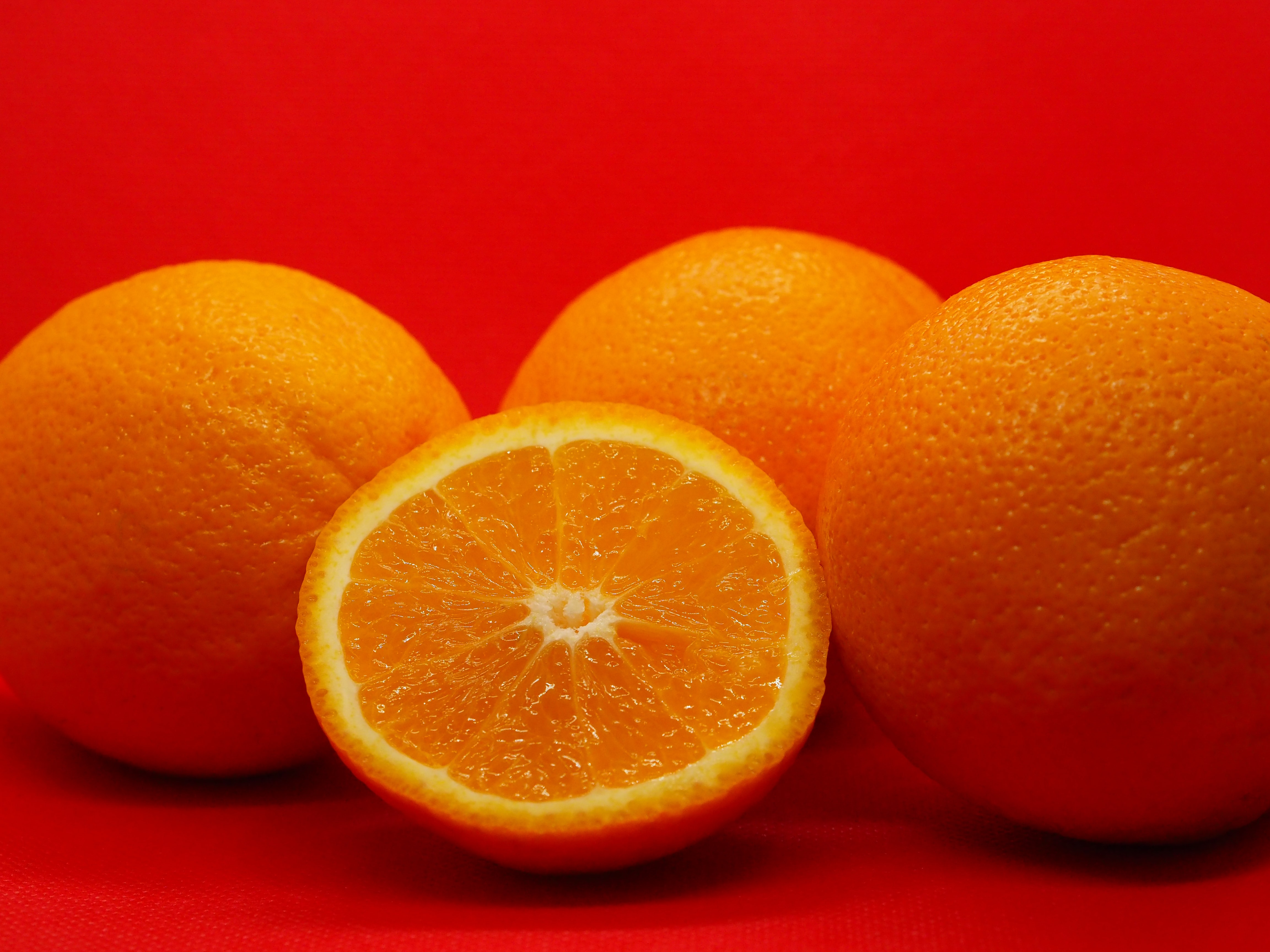
As plastic bags emptied, I turned to the pile on the counter. Five round Cara cara oranges winked hello from their caged netting.

Using a blunt scissor blade, I tore through the mesh to place a globe in my palm. As I dug my thumb nail into the flesh, I was squirted with small gems of juice. Licking my wrist, I kept at the process of ripping peel from fruit. I sank my teeth into the wedges and slurped on repeat.
I can watch, with eyes wide and stomach churning, the constant flow of bad news creep into my brain. Or I can put down my phone, walk away from the screens, and sink into sustenance instead.

Beauty in flesh, in juice, in slurping. In staying away from the news.

Be safe. Be well. Eat an orange. We need the vitamin C.
Come to the Garden

Photo Courtesy of Unsplash

“Colin Firth is in it” buzzed my phone. “And the woman who plays Mrs. Weasley is Mrs. Meadlock.”

On a friend’s recommendation, I watched the new The Secret Garden expecting to be transported back to one of the VHS I once played on repeat.

As the scene opened with vibrant colors and enchanting jewel toned walls, I paused.

“I always confuse this story line with A Little Princess” I texted my friend.

Any time one returns to a Classic, we see the story with new eyes. Perhaps this year’s felt absence during the holidays influenced this viewing. I sank into the couch and watched Mary and Colin (not Firth, that’s the boy character’s name) struggle to connect with one another.

This time, rather than obnoxious playmates, I saw lonely children wander in echoing chambers, banging feet, and wailing to be seen.

Spoiler alert – both characters have lost their mothers. The boy is kept locked in a room as his grieving father does the best he can to keep his son safe. The girl craves attention, and with snobbery and fits, demands others to meet her needs. In their coping, one is told to stay indoors due to poor health. The other longs for connection, fresh air, to be seen.

As I’ve grieved, I’ve longed to been allowed both responses. I had one fit, the day of the funeral, and was promptly told to keep it together.

I’ve spent months in the echoing rooms, wailing, and wondering if anyone will come see.

And this year, I’ve desperately wanted to lock all those I love into dark rooms with heavy blankets and cups of tea.

“Sometimes I’m restrained,” says the boy. “Father says it’s best for me.”

If only I could restrain all of us. To keep us safe from harm.

Upon discovering Colin, Mary says, “You’re pale.”

I am too. From being indoors and trying to prevent pain.

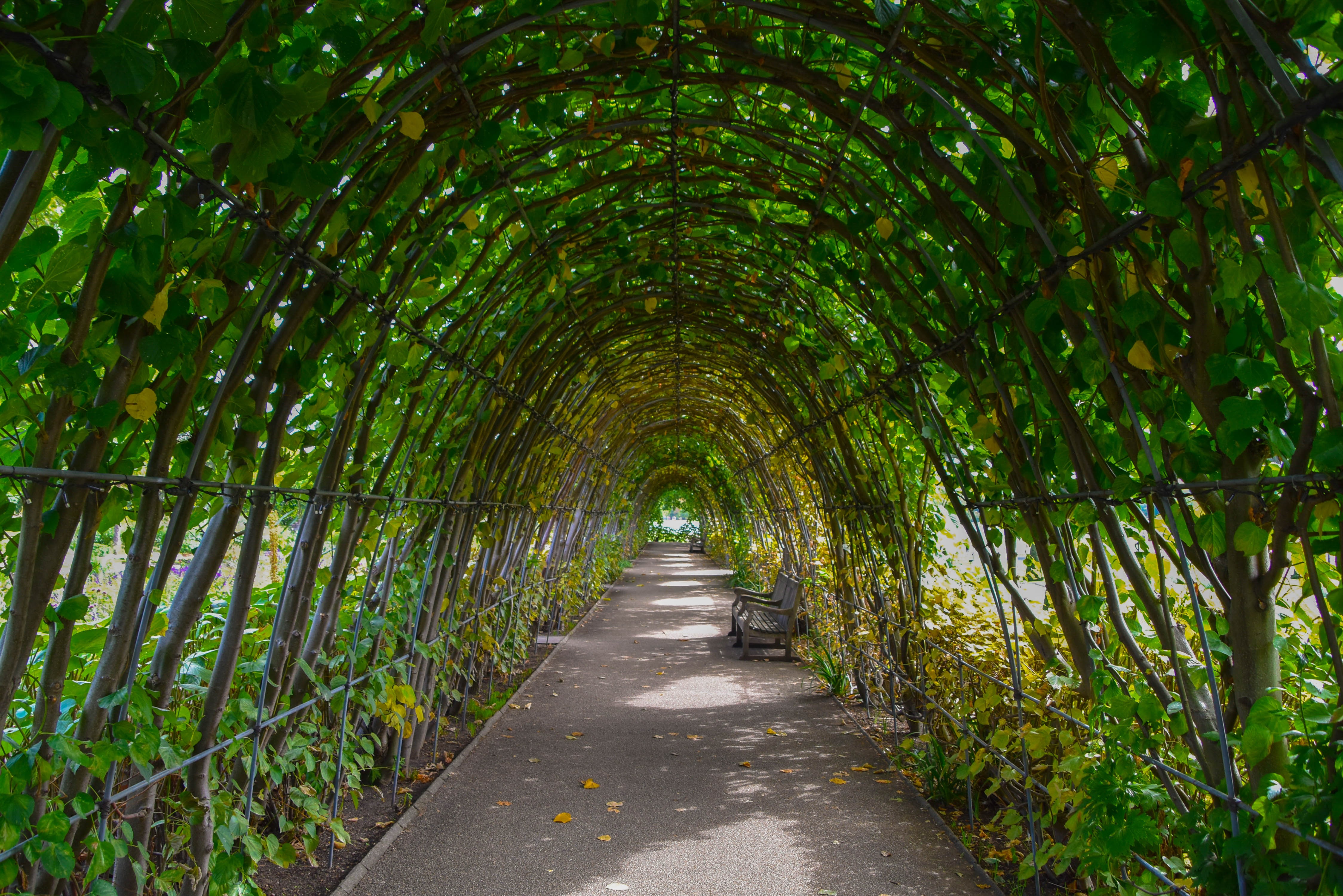
As they attempt to understand each other, stories of love and letters lost help the young children literally support one another to standing. Their healing comes in fields of grass, surrounded by flowers, fresh air and more jewel tones. This space allows the light to come in. Mary’s passion and persistence for connection and what could be helps her use the key.

I wasn’t prepared for my grief gremlin to poke it’s head out when watching that movie. A trigger warning may have been nice.

Grief is ever present. A forever dance of wanting to protect the ones we love from further hurt, a nod to intense isolation, and a loud wail in an echoing room where no one comes to see. It’s also a nap in a garden. A swoosh on a swing. Learning to walk when told instead pain cripples beyond repair.

Come to the garden. Choose the beautiful thing.

Hey, They Still Taste Good

Our tree is up and the twinkle from the white lights beckon me out from my home office each night. I’ve learned if I plug in the tree before 4:30 pm, I can walk upstairs to some light at the end of the day.

The stockings are hung by the chimney with care. Although, every time the fireplace is turned on, I remind Dylan to remove the giant, red knit socks from their hooks. The polyester will melt from the heat.

Gifts ordered online sit on the kitchen table, waiting for wrapping, ribbons and string. When discussing our small family’s Christmas plans Dylan winked at me and said, “Let’s honor the environment this year and not wrap our gifts for each other.”

“Yes,” I agreed. “I think the environment will benefit from our holiday laziness.” At least in the case of the two gifts we plan to exchange with each other.

I’ll try to make the others beautiful, wrestling tubes of paper left sitting in the corner closet, waiting for their turn since last year.

Christmases after Dad died have been a gradual undoing of all the things this month is supposed to be. The first year I clung to tradition, trying hard to recreate what we used to do in my own tiny living room. Despite the cheese plate breakfast, and matching pajamas, most of the day was spent in a painful fog trying to tend to the tears that just kept coming. Our sink broke. We washed dishes in the bathtub.

I have to search deeper into my memory to recall details as year one became year three. There was a viewing of Die Hard and attempts at new traditions – a family night out at the local theatre to watch It’s a Wonderful Life and White Christmas. The pressure to feel the good spirits of the season blurred like the white lights on the fence of the highway as we drove home from church on Christmas Eve. I wrote of splitting in two.

There are so many splits in grief.

Before and after.

Pre and post death.

Sorrow and joy.

Gratitude and gut-wrenching pain.

Dad picking up paper as presents get unwrapped and the piles of holiday detritus crinkling on the floor.

Last year, at this time, I wrote of the ‘enoughness’ of attempts at ‘doing’ Christmas. I said no to baking, yes to shopping, and hosted large gatherings with aunts perched on piano benches and grandmas squeezed into chairs at our kitchen table.

And here I sit, at the end of a pandemic year, where I’ve spent most days at home. Our plans, thus far, include Zoom Christmas morning and porch drop offs. I rest in the split between freedom from haunting traditions and the desire to be together, smushed on the couch, in matching pajamas once again.

This weekend, I got out the metal mixing bowl to bake. Mixing molasses and flour and spice, I spent hours shaping stubborn dough into snowflakes. Turns out the piping bags and decorating tips were left at Mom’s house. Instead, I filled a Ziploc bag with frosting and snipped off the tip. The result were less than perfect. Thick lines of frosting oozed from the edges onto the counter below.

When I finished decorating the cookies Dylan said, “Hey, they still taste good.”

That’s where I sit this Christmas season. In the metaphorical, ‘still tastes good’ space.

This season is far from perfect. And yet …

The decorations are bringing me joy. The lights, comfort. Attempts at tradition remain good enough. Opportunities to give back are endless.

And I hold space in the split – for what won’t be, can’t be, shouldn’t be present this season.

Watching the news this morning, I saw a brave 91-year old woman receive the first COVID vaccine in the world. I wept thinking of all the work that interaction took. How exhausted must be the scientists, the health care workers, the teachers and grocers, the delivery drivers who make my life work. Of all the hope the single dose brought, and all the sacrifice it took to get to this point.

I’m not sure what will happen next, but today, sitting near the twinkling white lights, I encourage you to honor the sacrifice. We’ve lost a lot this year.

What still tastes good?

Your answers may be beautiful things.

Choose an Action

I was on a marketing webinar today expecting more of the same.

Ideas for engagement or new ways to sell. I stopped my multi-tasking when the presenter said, “You can start a movement. All you need is to give people actions to take.”

This year has been a mess for so many. I want you to remember mess is part of the process.

Healing comes when we say yes, this is a mess, and still, I want to help.

If you’re in the thick of loss, or the confusion of what small next step to take, simply surviving is enough. Food, shower, maybe a brush through your hair – that is enough.

If you’re on the road and your load is lighter, I’m giving you some actions to take.

This year, I’m morphing previous year’s concept of the Give Light Giveaway.

Choose an action to create good and spark light at the end of the dark year.

Send me proof of your donation, or pictures of your random acts of kindness. I’ll share the results here throughout the month. Contributors will be entered to win a prize pack and I’ll send a few of my favorite things to one random winner.

Choose an action. Let’s start a movement.

Create a seat at the table for a grieving 20-30 something

Give the gift of books to Native communities

Rebuild in Central America

Write a Letter of Encouragement

Give hope to foster families

Commit a Random Act of Kindness

Share your own light

Send me a note about what’s bringing light and love to your circle of influence and I’ll share here and on social media.

It’s easy to feel like we are alone right now and separated from those we love and even our neighbors. As I learned while my husband rewatched Star Wars Episode 9 this week, “They win by making you think you’re alone.”

There have been so many Dark Sides this year. Don’t let them win. We aren’t alone. I’m here. I see you. What action will you take?

A Different Kind of Thanksgiving

In posts and on threads, on work chats and check-ins people continue to share their disappointment at not being able to gather this year for Thanksgiving. When listening, my stomach would twinge and my empathy drained. I couldn’t figure out why I was triggered.

Sacrifice of time together for the hope of remaining alive doesn’t feel like sacrifice to me. At least it didn’t. Not six months ago, when were were just getting started. Not two weeks ago when we were told, again, to stay safer at home. I know, this is exhausting. We are tired and lonely and sad. Food and connection are supposed to comfort, not kill.

Today when another colleague shared their deep sadness about missing family dinners, I felt my muscles tense.

“What gives?” I asked under my breath. “Why is this bothering me so much?”

I clicked over to the New York Times website and read Nora McInerny’s brilliant articles titled You Don’t Have to Fake It Through Thanksgiving. She reminded me it took her six years for the holiday season to feel festive again after her husband died. Six years.

I’m approaching year five.

Since, Thanksgiving has felt hard, sad, and a complex mix of hoping for bliss while clinging to gratitude. Nora’s words took me back to my own first Thanksgiving without Dad. I had gone with my in-laws to New York while my mom and my brother went to Texas. The guilt of being away and feeling normal split me in two. The distance between feeling good for minuscule moments while knowing people I love were hurting across the country ripped a canyon within me.

I remember sneaking away after to dinner to call my mom. I slouched on a velvet green couch in the bedroom above the garage and I dialed to connect us from across the country. Our families gathered around tables beneath us, smearing Karo syrup on warm plates. We wiped snot off of cell phone covers.

I spend the holiday season still split in two. Between longing and acceptance. Between people pleasing and taking care of myself. Between disappointing others and berating my attempts of trying too hard.

My empathy has dried up, perhaps, because I’ve been adapting to a different kind of Thanksgiving for a very long time. I haven’t given that longing the attention it deserves.

I’ve run out of patience for the ones who are acting like they are the only ones here for the first time, managing a less than ideal holiday because of forces outside of their control.

You may have to be on Zoom this year, but what about the festive name plates that could never grace your table again? For me, the risk isn’t worth it.

I know this is hard. I know being away from your people is sad. And I ask you to think about the millions of people who have been carrying this weight for a very long time.

I’ve learned to carry my grief like a backpack. Sometimes it’s heavy and full of old baggage. Sometimes light and open and airy. Other times full of boombox tunes that make me smile of Him.

This year the backpack is full of relief, of sadness, and tiny, fluttering threads of hope. We’re a little tattered. It’s ok. The backpack will continue to fill and empty as we go.

Nora’s words reminded me about the freedom we have to face these days however feels good. We don’t have to do the dinner, the fixings, or the mounds of pie. This year isn’t normal. These celebrations don’t have to be normal either. Grief and crisis won’t allow it. And neither will I.

As if you need my permission to allow anything at all.

Order sushi. Call Pizza Hut. Get on Zoom. Break the rules. Skip the parade. Pick up the phone and call a friend. Cling to gratitude but you don’t have to hope for bliss. For me, that’s too high a bar. Instead, blow a kiss from a screen, donate money, mail a card. Write a list of the good and the ordinary magic getting you by.

Pick up your backpack and fill it full of beautiful things.

Poked in the Heart

My muscles were sore from sitting on the floor balancing a plate of Chinese food in my lap. As I ate soggy noodles, three women, tenured family friends, sat perched above me on our worn, blue couch. As we watched an unremarkable movie, I felt safe in the company of people who knew me. People who knew him. People who carried pieces of my dead dad in their life stories too.

We had lost him a few months prior, and when the evening ended, I closed the front door and told Dylan, “I don’t want to go to bed because I feel so good now. I’ve forgotten how to feel good.”

I hadn’t thought of that night in years.

Seven days ago, Dylan called me upstairs with a somber voice. His delivery of a simple ask, “Katie, can you come here?” made my stomach sink.

After a week of addiction addled toggling between CNN and The New York Times websites, my eyes stuck in the red center of the US map as election results slowly ticked in. As the edges of our country turned blue, my heart beat escalated. Again, I sat on the floor, balancing plates on my knees as I watched The Queens Gambit to distract.

“Who died?” I thought. Unfortunately, still my default question.

“Joe Biden won” he said quietly.

Running up the stairs, I demanded he click over to nytimes. com – the news source I’ve been trusting in a sea of false news and fabricated reports.

I wasn’t convinced. Dylan scrawled out the math on an envelope waiting on the nightstand. Electoral votes and percentages and likelihoods of a secured win. Numbers and stats to help with the hope of certainty.

My heart cracked open with a gasp. I watched thousands of strangers dance in the streets with signs and masks and music from my tiny cell phone screen. We toasted gin and tonics as I don’t keep bubbly in my cupboard.

I didn’t want to go to bed last Saturday. I’d forgotten what happy felt like. I’ve been living with dread instead. Grief taught me feelings of elation can pop. Hope dissipates into the sheets as we sleep. It’s likely I’ll wake with big feelings in the morning.

As another week passed, COVID cases jump at alarming rates. People I know receive positive test results and I feel my fingers curling closed in fear. I’ve lectured my mom, and doubled up doses of vitamin D and zinc. Daily, I swallow down words I want to say to people who keep doing whatever the heck they want to do in the name of carpe diem.

As the artist PINK says, “It’s gonna be a long way to happy.”

Last night, with another plate balanced on my knees, we watched the movie 13 Going on 30. After the credits rolled, we turned to YouTube to watch Pat Benatar’s music video for Love is a Battlefield. For thirty minutes, my years of dance classes paid off. I wiggled and pointed my toes and matched the movements of the rock stars with big hair on tv. Dylan laughed and my dog barked. I felt happy. I didn’t want to go to bed.

This year has been scary for all of us. Whether you’re aware of your fears, or are stuffing them down into the fibers of your muscles where your subconscious lives, the reality of living in constant threat is not normal.

Like the first months of grief, I wonder if these intense circumstances will ever pass us by.

But there are moments, in balancing plates, and states turning blue, and dance parties in living rooms, where I am poked in the heart to remember again what it’s like to feel good. What a beautiful thing.

Pocket the Ash

Rummaging through the blue bin of snow clothes, I grabbed gloves and a hat before stepping into the backyard. Leaves demanded attention before flurries of snow arrived according to winter weather warnings.

Red rakes sat in the shed, waiting to be pulled from the pile of worn wooden handles still warm from lingering unseasonal, summer-like heat. I wrestled with tines of tools, ready to tuck the garden into its rustling bed of leaves.

Muscling orange and red matter into piles took three hours yesterday. Using rakes and shovels, I pulled towards my center, mixtures of grass and sticks and tired life. With each scrape of the earth, up swirled too, tiny puffs of black lifted and landed. Wisps of crisped needles and incinerated pines lifted into the air, into my nose, making me sneeze and weep. Despite our best efforts, the air demands we inhale what’s left, leaving traces of particles in our lungs.

Remnants of burned wild flowers and earth mixed with city maples and aspen leaf imposters. Wildfires burn nature’s backyard – the setting of my wild adventures of youth and family traditions forever changed by the swat of loss. Can memories burn as sense of place is destroyed?

Someone posted a few days ago about the sacredness of these ashes settling our concrete patios and smearing white streaks on our windshields. May we not disconnect the black piles of soot and grit from the immense loss up canyon roads.

As Dylan increased pressure on the leaf blower, blackened piles swirled up into mini plumes of darkened ash. Moving forward, he used his tool to blow the left over bits across the driveway and into the street. I watched the as the mess moved, mirroring the magnificent blooms of smoke seen from airplanes, thousands of miles up into plum purple skies.

It’s insensitive, perhaps, to have hope in the hurting so soon. My body feels the magnitude of life and livelihood turning to vapor among flames. Having experienced significant unraveling, I ask, what beauty is found in the sweeping of what’s left into tiny piles? May the act of smearing the grit on our fingers be a beautiful thing?

I felt my father’s ashes land on my toes. I watched his grit swirl with the wind and land, eventually, on cracked, dry earth. I witnessed urns burning in controlled fires as a summer ink sky turn speckled with stars.

The destruction is horrifying. The longing for what could have been, pervasive.

The honoring and remembering? Sacred.

Sweep what’s left into piles. Place the white and black smears on your altars of hope. In the wonderings of what’s next and how will we ever recovers, know this to be true – What was will never return.

We weep for this truth.

Using your fingers to pile, gather, pull towards you the mix of earth and sticks and dead things crisped. Move among the ash.

What will be is still left to be seen.

Today, snow falls in tiny flakes blanketing heat in white. I pray the moisture douses the flames and the burning will cease. And that we all may create space, with the tender embrace, for the gaping. Stand witness. Sweep up what’s left. Pocket the ash. Honor the scar. Hard, beautiful things.

Five Ways to Survive Election Season as a Sensitive Person in a Pandemic World

Photo Courtesy of Unsplash

“I think you may be acting out of your anxiety,” someone gently said to me.

“It will be ok” says my husband on repeat.

Hugging myself, I try to create a semi-circle of grace to combat the feelings of self-loathing because yes, these past few weeks, my anxiety seems to be winning.

Being a sensitive person during a contentious election season is hard. Smack on the truth that 900 people are dying EACH day from a virus the government shushes and I want to scream, “How are the rest of you NOT anxious?”

Perhaps you aren’t. Lucky you.

I am anxious. Those three words make me sad.

We’ve got three weeks to go until Election Day. Another friend reminded me, perhaps, it’s time to tune out.

I wobble between wanting to be informed and being disgusted. I laugh at the memes of flies and dip into a place of disgust for sold out fly swatters and pictures of poop on white bread. The flags waving on my street spout hatred. The very hanging feels like a violent act.

How can I continue to contribute to the discourse when we’ve stooped on both sides? Is calling someone a piece of shit acceptable if it’s true?

In an attempt to self-soothe and whisper again to turn back to hope, I made a list of and the coping mechanisms keeping me grounded.

Here are five ways to survive as a sensitive person during election season in a pandemic world.

  1. Do Something

Figure out how you want to contribute to the cause. I wrote to a senator for the first time this month. I chose to disregard the canned response I received in my inbox full of reasons why that senator would act differently. Man-splained once again. I signed up to send 400 postcards to voters in areas likely to experience voter suppression. I bought a coffee mug. I’m done arguing on social media. But I’ll keep giving my dollars to campaigns and keeping my fingers crossed.

2. Remember I can’t control much

Even people closest to me think I’m overreacting. My cautiousness at entering hair salons and the short outburts reminding people to use hand sanitizer mask the underlying narrative I’ve got playing in my head. Soap and masks are good and necessary. But the air is tainted too?

I can’t control other people and their perceived ok-ness. I want to stop judging the kids at soccer practice and the parents who put them there. I want to be free of fear knowing people I love are forced to go back to work in rooms with little ventilation.

I can work on improving my own sense of grounding.

3. Schedule time to process

Whether I’m writing in a journal, or talking to a friend on the phone, or watching a video sure to make me cry, I have to find a place to press the pressure valve button. No one is experiencing this too-much-ness like I am. I need a place to own my own story. Blow off the steam. Dance in the living room. Scream. Let the tears fall.

4. Stop scrolling

Perhaps tears are good reminders I’ve been scrolling too much. No one is forcing me to open Instagram or the front page of the virtual New York Times. My wanting to be informed is hurting my spirits. Give my thumbs something else to do. Go on a walk. Pick up the ukulele. Write more postcards. Stop scrolling.

5. Count the beautiful things

The sun is up and the smoke has shifted. New playlists exist on Spotify. Wrap your hair around an iron to create the perfect curl. Milk still swirls in coffee and yellow leaves crunch at my feet. Candle light warms and ink spills onto paper. People are activating, donating, scrubbing, and sanitizing. Prayers are whispered. Grief is becoming a part of the national conversation. Red toe nail polish. Creativity whistles bringing good ideas and hilarity to our homes. Season six of Schitt’s Creek is now available on Netflix …

I don’t know what will happen in November. Maybe today’s death count will drop. Perhaps one more person will pick up a mask. Saying hello to the anxiety deflates its looming presence.

I’m here, as a sensitive person, reminding myself and others that even in the madness, beauty abounds. Help me remember to focus here instead.

In the Unfolding Future

For the first time in over a year, I spent a full day in the home I grew up in. There have been multiple reasons for my absence. Changes in caregivers and in family situations. I’m trying to negotiate being an adult woman with a house of my own. A pandemic lurks, placing tentacles of fear and suckers of joy on the cracked cement steps.

As I stood at the front door this weekend, I realized my key no longer has a place to work. The lock had been replaced with an electronic key pad. I rang the bell, and the big dog began to bark. Upon answering the door, my mom repeated the numeric code I needed to get access. It’s not as if I was kept out intentionally. I thought I put the pattern in my phone. Apparently not.

We had spent thirty dollars to stand in a field under a blue sky made silver with smoke. Returning again to the community farm, we took scissors to stems and snipped bloom after bloom, placing our finds in a large, round bucket.

We had gathered armfuls of greens, daisies, dahlias, and delicate flowers to collect into vases and mason jars. We returned home to do our work, walking through the front room on worn wooden floors to approach the table that sustained me. While we shredded leaves and clustered our collections, my mom and I caught up on stalled-life and our slow summers.

It has been almost five years since I sat in the same place, in the tall oak chair frame my dad built in the garage, disassembling arrangements sent for his funeral. The scratchy chair pad nibbled the backs of my thighs saying, ‘I may be worn, but I’m still here, too.’

Some heart ache challenges simply must be tended to from the kitchen tables of our youth.

I’ve healed, wept, and morphed over the last few years. I suppose, if we’re paying attention, we all do. What I hadn’t realized before this weekend was, just as every day is given a new, so too is my grief.

Dad isn’t here for this moment. Or the one that just passed. Nor will he be here for the ones unfolding as this sentence continues. I didn’t realize I will continue to grieve in the unfolding future. The every day ache is not debilitating, but it demands attention. When grief gets neglected, my soul gets hard.

I moved from the kitchen table, to the arm chair in the study, and still our conversation continued.

As noon turned into early evening, I kept wishing Dad would walk through the garage door. Couldn’t he be home from work or an outing at the hardware store? Perhaps he would have brought us a treat.

The door never opened. Instead, I walked out through the front.

I brought the bouquets to my new home. As I placed one vase after the other in rooms where I sit these days, I wondered if flowers can be seen as friends. I’m working from home without companionship now, as my husband returned to a socially distanced office armed with hand-sanitizer and a closing glass door.

The flowers keep me company. I’ve surrounding myself with beauty and scent and bursts of color to bolster me while he’s away. The refrigerator hums and my fingers click on the keyboard. I play classical music to keep my anxiety at bay.

For Dad’s not here now, in the next moment, or at the end of this sentence. I’ve learned I get to miss Him still, as the adult I’m becoming in my own home. I draw up familiar lessons of comfort. Memories of past greetings from the wide-open garage door nibble into me like bites left from worn, knitted, chair cushions.

Now, instead, I wait for my husband to return from his office to walk in our blue front door and I miss Him. And that, is a beautiful thing.


If you believe in the pursuit of beautiful things, have ever come back from a set back in life, or hold firmly to the belief that we can all be kind to one another, invest in this on-going project.

If you like what you’ve read, please share the piece with a friend.

Turned Inside Out

After six months at home with limited social interactions, I didn’t think I could look much further inward.

Inward is where I’ve been living – perhaps for the last four years. Grief turned me so inward, I turned inside out.  Insides exposed – skin raw, even still. Prickling with the constant bombardment of suffering, of loss, of what it means to have tugging skin as your wounds heal and re-arrange. After four years, I was ready to get out into the world again. And then a pandemic hit.

With news cycles imploding on the hour, and violence bursting across our country, I’m tempted to turn off my phone and close my eyes.

Tuning out is privilege. Turning things off is a choice.

I thought about changing my Facebook cover photo to this Fauci quote earlier this week.

care

I stopped myself because I don’t feel social media is the place to change minds. Perhaps blogs posts aren’t either. We’re pretty set in our ways and discourse fails in comment threads, when we can’t make eye contact, or place a warm hand of understanding on the fingers of someone we disagree with. Most of the time, our friends nod in agreement when we share our thoughts on how the world could be and for whom.

But, as I continually click reload on news browsers and watch brave protestors, athletes, artists, and individuals address the hurt and pain of others across the nation, Fauci’s quote keeps giving me pause.

How do we knock on closed-off hearts? How do we whisper to those living in extremism? How do we share kindness to people who are different than us?

I have a hard time feeling angry with wealthy people who choose not to share their resources. I live in a working class neighborhood. With every Trump flag popping up on lawns across the street, I hesitate to display my proudly purchased Biden-Kamala sticker. My Christian roots bristle at Evangelical narratives,  withdrawing to find different sources of spiritual thirst quenching. I struggle to embrace the differing opinions of relatives spread across the country.

I said I wouldn’t get political and well, here we are. Everything feels political. Our clashing values create rifts like canyons – pulling us apart from where we used to stand in agreement.

We’re living in fear of those who are different than us. Fear of those who think or look or value different things. Fear of expressing what we really think. Fear of having something taken, or distributed differently, fear of lack of control. Fear of, once again, being unseen.

And somehow, we’ve gotten so sidetracked, that caring for a human life feels radical.

So, I pick up a pen and write postcards to old friends. I text the people who seem to have forgotten me in the course of loss. I go to my garden and I water the plants growing in my tiny patch of dirt. I give money. I pray. I set down the phone. I circle back to my tiny sphere and I keep at the searching for good. I cheer for the protestors. I buy local and support small business owners. I wear a mask. I get ready to vote. I stay home and I keep looking inward.

Maybe, as a nation, we’re getting turned inside out?

How do we remind each other we need to care? Do you care deeply about our impact on the planet, our country, our neighborhood, our streets, on the children who look different than you? What about those who have lived and lost and are hurting? What about those without support networks? What about those whose kids are in literal cages? What about those innocent ones getting shot in the street?

We need to care. And that’s a beautiful thing.